The AI Agent is Moving In: From Your Browser to Your Photo Album
Today’s AI developments suggest a clear shift in strategy from the world’s largest tech players. We are moving away from the era of “novelty chatbots” and entering an age of persistent, agentic assistants that live within the tools we already use. From Google’s attempts to eliminate the need for browser tabs to Samsung’s refinement of “invisible” AI utilities, the goal is clear: making the AI so useful—and so omnipresent—that you never feel the need to leave their respective ecosystems.
Google is leading this charge with a significant expansion of what it calls “AI Mode.” The tech giant is positioning its agentic AI as a travel and shopping concierge that can do more than just summarize text. According to TechCrunch, this system can now check real-time inventory at local stores and track specific hotel prices for summer travel planning. This isn’t just a search engine anymore; it is a proactive agent acting on your behalf. This philosophy extends to the browser itself, where a new update to AI Mode in Chrome is designed to end “tab hopping.” By keeping the chatbot-style search tool visible and active throughout a search journey, Google hopes to keep users contained within a single interface rather than having them bounce between dozens of open tabs.
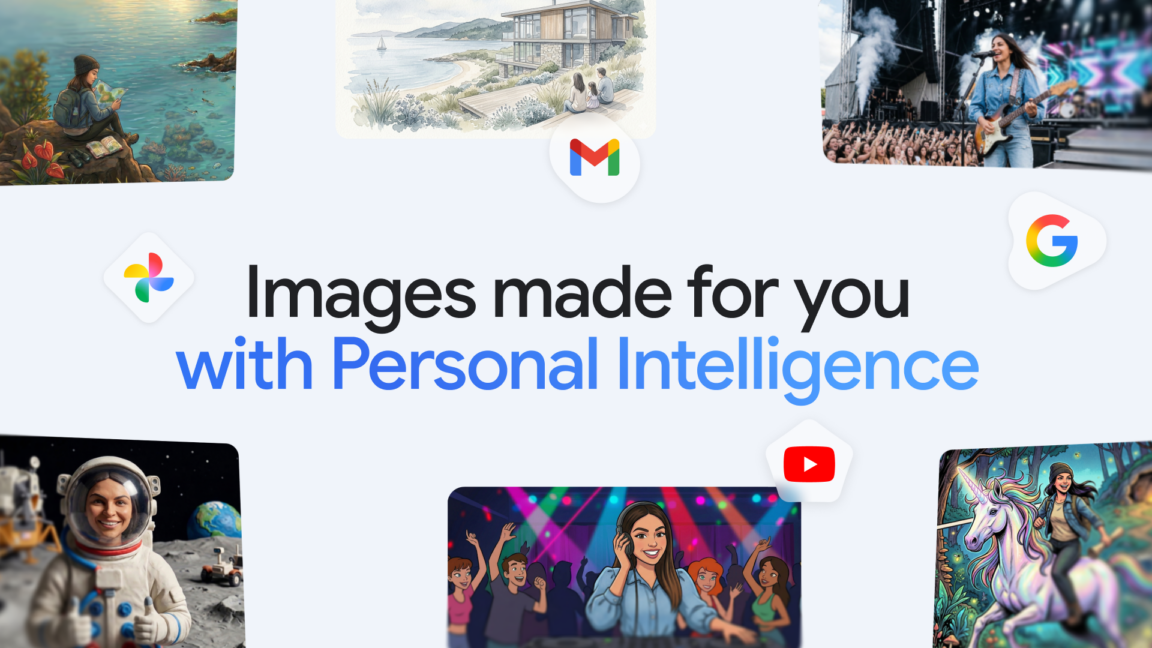
The personalization of these tools is also reaching new heights. Google’s Gemini is now able to dig through your Google Photos library to create personalized AI-generated images. By leveraging your own history and context, the AI moves from being a generic generator to a tool that understands your personal world. This trend of “built-in” AI is mirrored in the mobile hardware space. Samsung is doubling down on its Galaxy AI suite, promoting an enhanced Audio Eraser feature for the upcoming Galaxy S26 and integrating its Now Brief feature with SmartThings. These features aren’t flashy “talk-to-the-robot” moments; they are quiet, utility-driven improvements meant to make the smartphone experience feel more intuitive.
However, this rapid integration is not without its dark side. While Google and Samsung focus on utility, a troubling report from the Tech Transparency Project highlights a failure in oversight. Research shows that both Apple and Google’s app stores have not only hosted harmful “nudify” and deepfake apps but have occasionally used their own recommendation algorithms to push users toward them. It serves as a stark reminder that as AI becomes more deeply embedded in our digital infrastructure, the potential for automated harm scales just as quickly as the potential for convenience.
The takeaway from today’s news is that the “AI interface” is disappearing. We are no longer going to a specific website to “do AI.” Instead, the AI is coming to our photos, our shopping lists, and our browser sidebars. We are trading the friction of manual searching for the ease of agentic automation, but as these tools become more pervasive, the responsibility for the companies hosting them—and the vigilance required by the users employing them—has never been higher.